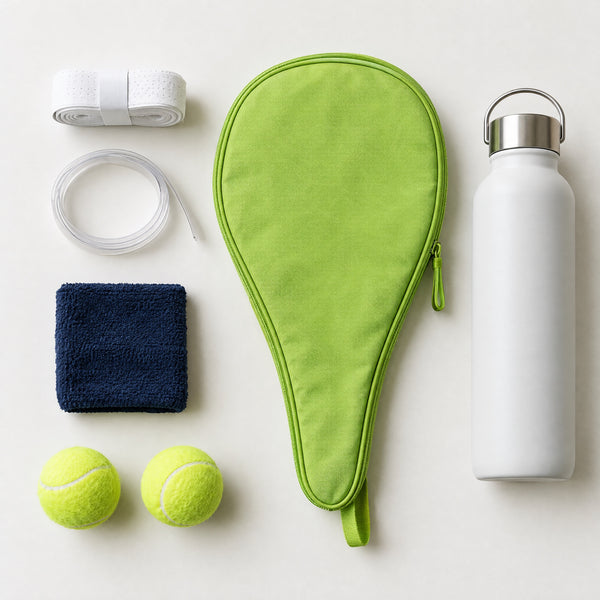
Choosing the perfect padel backpack for optimal comfort and organization
Selecting a reliable padel backpack truly enhances every experience both on and off the court. Dedicated players recognize that a thoughtfully designed bag not only secures essential gear but also streamlines routines, whether heading to practice or competing in matches. With numerous models available, finding the right option requires careful attention to features that extend far beyond simple style.
A practical backpack accomplishes much more than just transporting rackets. It becomes an organized hub for padel gear storage, ensuring each item is easily accessible before and after play. Prioritizing comfortable and easy carrying, equipment protection, and well-planned space helps guarantee a satisfying choice.
Why invest in a dedicated padel backpack?
Padel brings unique equipment demands unlike other racquet sports, making a proper functional organized design invaluable for smooth preparation. While traditional sports bags can seem adequate at first, specialized backpacks deliver clear advantages tailored to those who play regularly.
The same need shows up in padel Bags.
These benefits provide daily convenience and contribute to the long-term preservation of equipment. Stress is reduced when commuting, and everything from shoes to accessories remains protected and in top condition.
Key features found in quality padel backpacks
Manufacturers now address player feedback directly, adding thoughtful details into their products. Understanding what distinguishes a purpose-built bag ensures confidence and satisfaction through many seasons.
Attributes such as reliability, durable materials, and efficient organization consistently rank as top priorities among dedicated athletes.
Functional compartments and pockets
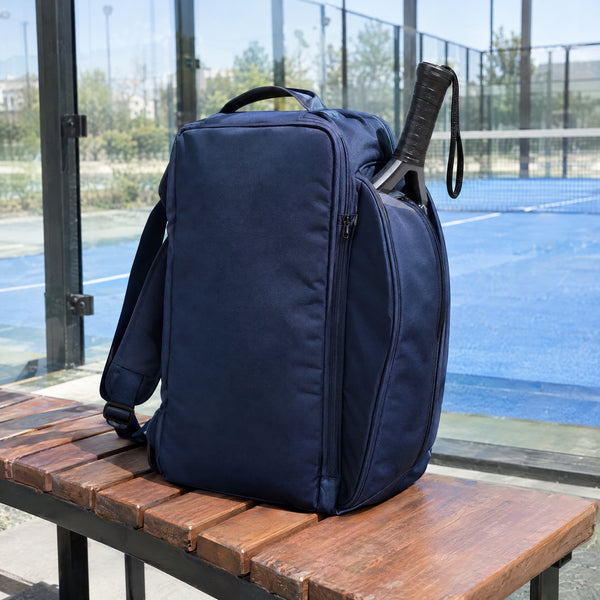
One major advantage comes from the variety and arrangement of separate compartments or pockets. A well-designed padel backpack typically offers padded sleeves for racket and equipment protection, guarding frames against impacts during travel. Dedicated organizational sections keep items like balls, wristbands, water bottles, and phones secure and easy to locate.
On that note, see also padel Racket Bag.
Features such as mesh panels for quick-access items, interior zipper pouches for valuables, and adjustable dividers allow for highly personalized setups. The result is padel gear storage that feels functional rather than cluttered.
Shoe compartment and ventilated pocket options
After demanding sessions, shoes often carry moisture and odors. Many modern backpacks are designed with a shoe compartment featuring a ventilated pocket, keeping footwear separated from clean clothes and electronics. This smart approach controls unpleasant smells and shields the rest of the contents.
Effective airflow inside these areas extends the life of sporting goods and enhances overall organization. Such features become especially valuable after outdoor matches or intense indoor workouts.
Material selection and construction
The use of durable materials stands at the core of any lasting investment. Quality construction withstands frequent use, accidental scrapes, and changing weather conditions. Typically, polyester or reinforced nylon offer impressive resistance to tearing and simplify cleaning, while padded panels ensure ongoing protection for rackets and equipment.
Attention to detail, such as sturdy zippers and extra reinforcement along high-stress points, guarantees that the backpack maintains its shape and reliability even with repeated heavy loading.
Design considerations for every player
While visual appeal matters to some, practical factors are key for anyone routinely carrying sports gear. Features that enhance everyday usability increase the value of a backpack far beyond its price, serving casual players as well as serious competitors.
Several qualities should be evaluated to ensure a bag accommodates varied needs without compromise, blending both comfort and efficiency.
Lightweight and compact format
No one appreciates unnecessary weight. Choosing a lightweight and compact design simplifies movement—whether navigating busy streets or cycling to a club. Backpacks that combine minimal bulk with sufficient capacity help reduce fatigue, letting energy remain focused on performance.
Manufacturers achieve this balance by selecting thin yet resilient fabrics and forgoing superfluous features that might add weight without delivering practical benefit.
Spaciousness and large capacity
Active players often need room for spare apparel, towels, snacks, and recovery items along with rackets and balls. A spacious or large-capacity backpack holds all essentials for thorough preparation, eliminating the hassle of extra bags.
Elements like expandable side pockets or adaptable main chambers support varied loads, making it possible to pack lightly for training or fully for tournaments.
Comfortable and easy to carry
Padded shoulder straps and breathable back panels make carrying comfortable, preventing pressure points during extended walks. Some designs incorporate ergonomic shapes that distribute weight evenly while allowing air circulation for added comfort.
Those commuting by bike or on foot particularly benefit from adjustable sternum and waist straps, which stabilize the backpack and create a closer, more supportive fit.
Temperature control and thermal protection
Protecting sensitive items is essential, and thermal or temperature control lining shields rackets from extreme temperatures. Exposure to heat or cold may degrade adhesives inside rackets or warp handles over time.
Specialist backpacks often feature insulated layers around the main racket pocket, maintaining ideal conditions across seasonal changes and guarding against material damage between home, court, and transport.
Tips for keeping gear organized and ready
Maintaining a consistent packing order reduces stress and saves time before every match. Assigning each item its own pocket prevents unnecessary wear and eliminates frantic searches for missing gear.
Simple habits, such as wiping down shoes before stowing them in their ventilated shoe compartment or airing out the main section post-match, significantly extend a backpack’s lifespan and maintain freshness.
- Store small accessories in zippered pockets to avoid tangling.
- Separate damp clothing in waterproof sections when possible.
- Rotate gear to prevent overuse of one racket or pair of shoes.
- Clean exterior surfaces weekly using a soft cloth.
Finding the ideal blend for individual needs
Ultimately, selecting a padel backpack depends on matching it to specific routines and gear requirements. Preferences may center on robust racket and equipment protection, a functional organized design, or effortless transport. For some, ventilation and moisture management take priority, while others may emphasize internal volume or durable materials.
Researching current offerings, comparing layouts, and reflecting on personal habits lead to a well-informed purchase, ensuring many years of enjoyable and organized play.